
Power of Attorney for Nepal Property from Abroad: 7 Things to Check Before You Sign
By Santoshi KC | Government officer, Nepal | Last updated: October 2026
Power of attorney Nepal from abroad sounds like a small piece of paper. If you own land back home, it’s one of the more important papers you will ever sign.
Say you’ve been working abroad for years, and a plot of land in Nepal is still in your name. Then one day a tax falls due, or a buyer turns up, or the family starts arguing about a boundary. You can’t just fly home. So you sign a paper and ask someone to act for you.
That paper is a power of attorney. In Nepal people call it a Mukhtyarnama or an Adhikrit Wareshnama. Made carefully, it keeps your land safe. Made in a hurry, it can put the land at risk.
I work inside the public system, and I wrote this after reading the official embassy pages. Where I couldn’t confirm something, I have said so.
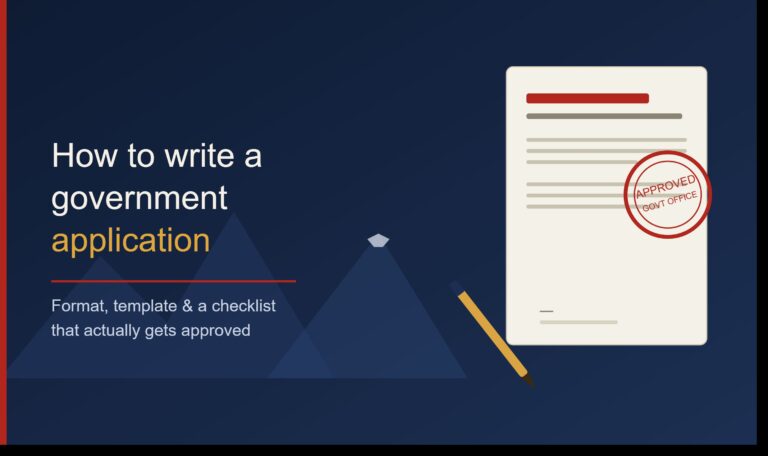
Quick answer: For a power of attorney Nepal from abroad, the Nepali embassy attests the paper for Nepali nationals. A registered lawyer in Nepal prepares it on Nepali Kagaj, and you have to appear in person. The embassy service is only for people who hold Nepali citizenship and a Nepali passport. The rest depends on your country, so go through these 7 things first.
1. Check your citizenship first
This catches a lot of people out.
The San Francisco consulate says it doesn’t take POA applications from foreign nationals, including people of Nepali origin. The Canberra embassy says the same.
If you are a US citizen, Washington points to a different route. You prepare a Special POA in English in the US, get it notarized, and then have it authenticated by your state’s Secretary of State and the US State Department. The embassy also tells you to make sure Nepali authorities will accept the paper.
If you live somewhere else, read your own embassy’s page before you do anything else.
2. Decide exactly what you are giving
Don’t write “all powers” just to save time. Say what the person is allowed to do: pay land tax, deal with one office, or sell one named plot.
The National Civil Procedure Code has a chapter on representatives, and it includes transferring immovable property through an authorized representative. That is a big power, so give it only if you really mean to.
Put an end date in. If no period is written, the paper may stay active until you formally cancel it.
3. Pick the person for trust, not for convenience
Most people choose whoever lives closest. It’s worth asking a bit more than that. Will they pick up your calls? Are they careful with money? Will they still be around in five years?
Family may cost less. Washington charges USD 5 when the person is a family member within three generations, and USD 40 otherwise. But the fee shouldn’t decide who looks after your land.
4. Have it drafted by a lawyer in Nepal
The embassy asks for two copies on Nepali Kagaj, prepared by a registered lawyer in Nepal. So the work starts well before you visit the embassy.
Ask the lawyer to go through each line with you, in a language you understand properly. If you can’t read it, you can’t control it.
5. Match every detail with your papers
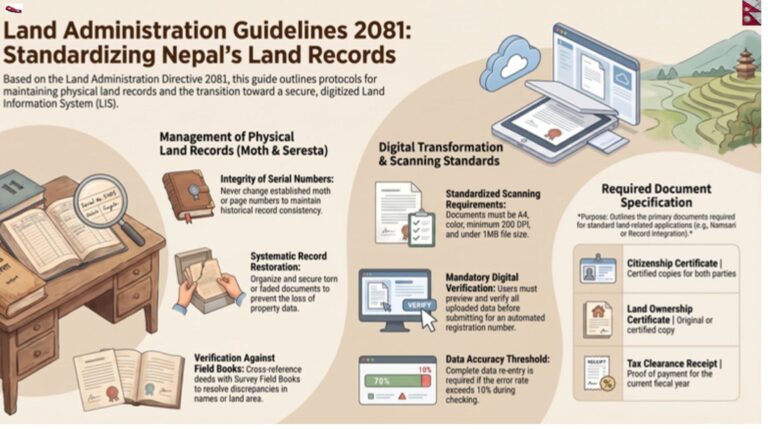
For a land sale, Canberra lists a copy of the Lalpurja, a recent land tax receipt, and citizenship copies of both the giver and the receiver. Washington also wants notarized copies of the witnesses’ citizenship, and proof of your visa or green card status.
Copy your name, plot number and district exactly as they appear on the Lalpurja. A single spelling difference between your passport, citizenship and land papers can send you back to the start.
6. Book the appointment for your power of attorney
You have to be there in person and sign in front of the head of mission, and you need an appointment first. Washington asks you to email them and visit only after they confirm.
Fees depend on the mission and on what the POA is for. Hong Kong, for example, lists HKD 100 for some POAs and HKD 400 for selling property to people outside three generations. Check your own embassy for the current fee.
7. Plan for what happens after you sign
Misuse of a power of attorney is listed among the common property frauds in Nepal, along with selling land the seller doesn’t own and selling the same land twice. A few habits help:
- Keep a full copy of everything you sign.
- Ask for updates and receipts in writing.
- Don’t send your original ownership papers unless the task truly needs them.
- Know how you would cancel it. A lawyer prepares a cancellation document, and for a property POA it is usually registered at the Land Revenue Office where the land is.
Common power of attorney Nepal mistakes to avoid
- Assuming you qualify, and finding out at the appointment that you don’t.
- Giving blanket powers “just in case”.
- Leaving out an end date.
- Signing something you can’t fully read.
- Sending the paper off and never asking for an update again.
For Nepalis in the USA, Australia and Europe
Rules for foreign nationals of Nepali origin have changed before, and each mission publishes its own page. Treat your embassy’s own power of attorney Nepal page as the final word. This article only helps you ask the right questions.
For other government services, you can start from the Citizen Portal.
What I checked, and what I could not
I read the official pages of the Nepali embassies in Washington D.C. and Canberra, and the consulates in San Francisco and Hong Kong.
I could not find one official list of what every Land Revenue Office asks for in a POA case. So before you travel, ask your lawyer or representative to confirm with the office where your land is registered. I would rather say that plainly than guess.
FAQ
Can I make a power of attorney for Nepal from abroad? Yes, if you hold Nepali citizenship and a Nepali passport, through your nearest Nepali embassy or consulate. Foreign nationals of Nepali origin generally need another route.
Does a power of attorney transfer my ownership? No. The person can only act within the powers written in the paper.
Is the fee the same everywhere? No. It changes with the mission and the purpose of the POA.
Can I cancel it later? Yes, but do it formally, through a Nepali lawyer. A phone call or message isn’t enough.
Do I need a lawyer? Yes, for the Nepal-side draft. A registered lawyer in Nepal prepares it.
Official sources
- Embassy of Nepal, Washington D.C.: Power of Attorney
- Embassy of Nepal, Canberra: Power of Attorney
- Consulate General of Nepal, San Francisco: Power of Attorney
- US Department of State: Authenticate your document
- For matters of law, the Nepal Law Commission is the authoritative source.
This article reflects my own understanding and is not official government advice or legal advice. Rules and fees change. Please confirm with your embassy and a licensed Nepali lawyer before you sign.